
Headache & Migraine Treatment In Highlands Ranch
5.0
300+ Google Reviews
Headaches and migraines can occur anywhere in the head, scalp, neck, or even face. They may occur all over the head or just on one side. They can happen infrequently or every day. They may cause sharp pain, or the pain may be dull. Headaches can present themselves in many different ways and for many different reasons. But one thing is certain – a headache causes pain for a reason, and pain is our body’s way of telling us that something is wrong.
Many people think headaches are just a normal part of life and have resigned themselves to living with them, but this does not have to be the case. Headaches and migraines can be treated and you can live pain-free.
Are Your Headaches Cause for Concern?
Sometimes, headaches are minor inconveniences and go away with food, water, or rest, but chances are if you’re reading this page, your headaches are affecting your life more severely. You may have a recurring headache or migraine problem if:
- You suffer from throbbing, unrelenting headaches.
- The headaches cause you to vomit or feel nauseous.
- You experience sensitivity to light and sounds due to your headaches.
- Your headaches occur with increasing frequency.
- Your headaches are not responding to self-care.
- Your headaches are interfering with your daily life or causing you worry.
Types of Headaches
There are many different types of headaches. Understanding which type of headache you have can be crucial to getting the right treatment. This list covers the most common, recurring types of headaches:
- Tension Headaches. Tension headaches can be chronic or episodic and cause tightness and pain from the top of the head and temples down the neck.
- Chronic Headaches. Chronic headaches can appear daily for weeks or even months. The pain is similar to that of tension headaches, causing a feeling of tightness around the head and neck. It has been described as having your head in a vise. The pain is steady and occurs on both sides of the head. The headache can even cause sore scalps, due to the constant muscle contraction.
- Cluster Headaches. These headaches occur on one side or the other, usually around or behind the eye. The pain is often described as sharp, deep, throbbing, severe, and develops rapidly. Cluster headaches last anywhere from 15 minutes to several hours. It’s not unusual for cluster headaches to come and go several times within the same day or to occur at the same times every day. Cluster headaches also may appear daily for weeks at a time and then suddenly one day, disappear, only to reappear again a few months down the road. Associated symptoms include: nasal congestion, running nose, tearing and/or redness in the affected eye, and agitation.
- Rebound Headaches. Rebound headaches keep coming back. Ironically, they often result from overuse of pain medication. It’s a vicious cycle. The patient takes pain medication for a headache but the headache returns, so they take more pain medication. Eventually, the headache may occur because the patient did not take any pain medication. These are sometimes called medication overuse headaches. Anyone who regularly uses pain medication more than 3 days a week is at risk for rebound headaches.
- Sinus Headaches. Sinus headaches cause pain in the cheekbones, forehead, nose, and even upper teeth. They commonly occur in conjunction with other sinus problems like discharge or blockage. The pain may increase or decrease with movement as pressure shifts within the sinus cavities, particularly when lying down or bending forward. They can be associated with sinus infections, but you do not necessarily have to have a sinus infection to have a sinus headache. Sinus headaches are common in people with allergies.
- Migraines. Migraines are a severe and ill-understood kind of headache that affect both sides of the head, the other senses, and sometimes even the arms and hands. Migraines are often accompanied by auras—visual or other sensory phenomena.
Common Headache Triggers
Headaches can be triggered by many things: emotions, physical conditions, food, the weather, illness, and injuries. Here are some of the most common triggers:
- Stress. Tense shoulders, back, neck, and jaw muscles can all cause muscle contraction that causes a headache. This is the most common cause of tension headaches.
- Emotional Conditions. Depression, anxiety, insomnia, and constant worry may cause headaches.
- Head Injuries. Concussions, a bump to the head, a bruise, or cut can cause heads to ache. Injuries need not be recent to cause headaches. Old sports injuries, work injuries, or auto accidents can cause headaches to crop up even years later.
- Posture Problems and Spinal Abnormalities. Poor posture or spinal abnormalities put strain on the head and neck muscles and cause headaches.
- Illness. Headaches are common with the cold, flu, fevers, and many other illnesses.
- Hormones. Women tend to have headaches most often during their reproductive years as hormone levels fluctuate throughout the month. Headache is a common PMS symptom.
- Food. Sensitivity to certain foods can cause headaches, as can low blood sugar. Preservatives and MSG are common triggers. Lack of food or dehydration can also cause headaches.
- Weather. Changes in the weather, excess heat or cold, and dehydration can all play a factor in headaches.
- Exertion. Exercise and sex can cause short-term headaches.
- Environmental Conditions. External stimuli like lights, sounds, and smells can all cause headaches.
Treatment Options for Headaches
If your headaches occur more than three times a month or are bothersome to the point of impacting your daily life, it’s time to seek treatment.
The conventional approach to headache and migraine treatment is to mask the symptoms. This is done through the use of pain medication (OTC and prescription) or anti-nausea medications. Unfortunately, this only treats the symptoms. This approach does nothing to identify and treat the root cause of headache or migraine. Without treatment of the underlying cause of the pain, the symptoms will return. Other methods of treatment include:
- Chiropractic. Chiropractic can be a very effective, long-term solution for headaches. By manipulating the head, neck and spine, chiropractors can alleviate pressure or misalignments that may be causing the headache. Chiropractic is a completely non-invasive, drug-free way to treat and manage headaches and can be effective at eliminating them altogether.
- Massage. Massage is a great way to relieve tightened muscles or muscles that have been damaged in an accident or through injury. Over time, the muscles will relax and headaches can improve.
- Exercise. Stress and the tense muscles associated with it can be relieved with exercise. Stretching and strengthening back and neck muscles can help keep them in a more neutral, supported position, which relieves pressure that may cause headaches. Something as simple as going for a walk or practicing deep breathing exercises can reduce stress levels and headache pain.
- Rest and Relaxation. Relaxation exercises may help headaches that are due to stress or psychological conditions like depression or anxiety. Getting enough sleep will help reduce symptoms too.
- Nutrition Counseling. If certain foods or your diet are causing headaches, nutrition counseling can help. You’ll learn what foods to avoid, how to stay hydrated, and if there are any foods or supplements that can ease your headache symptoms.
The headache treatment you pursue depends greatly on the type of headache with which you have been diagnosed. You may be asked to keep a headache diary in which you will record when headaches occur, what you had eaten or drunk within the 24 hours of the attack, the hours of sleep you obtained, anything you were doing before the attack, how long the pain lasted, and if you did anything that helped it recede. The diary will be used to help you identify triggers or patterns of behavior that may be causing your headache so a treatment plan can be developed.
Headache Help Is Available
You do not have to suffer through headaches on your own. Help is available at Pinnacle Chiropractic and Spinal Rehab Center. Highlands Ranch chiropractor, Dr. Aaron Casselman, DC has treated hundreds of patients for headache pain of all types. All patients begin with a comprehensive initial consultation and full spinal examination. From there, Dr. Casselman can develop a treatment plan tailored to your specific needs. You’ll receive a full report with Dr. Casselman’s treatment recommendations, which may include physiotherapy, chiropractic adjustments, nutritional counseling, spinal decompression, class 4 laser therapy and relaxation techniques, or any combination of the above.
If self-care isn’t helping or you are tired of masking your headache symptoms, contact Pinnacle Chiropractic and Spinal Rehab Center in Highlands Ranch, CO today for more information on how we can help you with your headaches or migraines or to request an appointment.
Tension Headache Treatment in Highlands Ranch
Tension headaches are very common. In fact, some statistics show they are the most common kind of headache. In general, tension headaches cause feelings of dull pressure or tightness on both sides of the head, the top of the head, and down into the neck. The pain may ebb and flow, and the headache may last a little as 30 minutes or up to several days. Headaches may occur daily or infrequently.
There are two primary classifications of tension headaches: chronic and episodic. Chronic tension headaches occur more than half the days of the month. Episodic tension headaches occur less than half the days of the month. Both types include the additional symptoms of poor concentration, sensitivity, irritability, muscles aches and pains, fatigue, and sleep problems.
Identifying a Tension Headache
Tension headaches yield a consistent, not throbbing, ache impacting both sides of the head. Pain can also occur in the neck or the back of head and radiate to the front of the skull. Tension headaches generally come on slowly, and pain is mild to moderate, not usually severe. Pain during a tension headache has been described as feeling like a vice around the head.
Treating Tension Headaches
It is critically important to have a proper diagnosis for your headaches to make sure the most effective treatment is used. A tension headache caused by stress will respond much better to a massage, for example, than a migraine caused by food sensitivity. You can help your chiropractor correctly diagnose the source of your headaches by keeping track of the details each time a headache occurs. Here are some things you might record:
- When do your headaches occur?
- How long do they last?
- Do your headaches follow specific activities?
- Where does the pain originate—the temples, the back or your head, your neck?
- What kind of pain do you experience—throbbing, burning, aching?
- Have you experienced emotional changes or irritability?
- Are your headaches made worse with movement?
- Have you had changes in your routine or an increase of stress?
Chiropractic Care For Tension Headaches
Muscle tension and stress are the usual suspects when it comes to tension headaches. Muscle contractions in the neck and head put pressure on nerve endings and can cause soreness. Stress is the most common cause of tension headaches.
Tension headaches can also be caused by neck problems such as incorrect curvature of the cervical spine. If your cervical spine is curved less than is normal or even curves the wrong way (perhaps as the result of injury), you may be at risk for tension headaches. Headaches caused by neck problems are often triggered by outside sources, such as bending over a computer all day long.
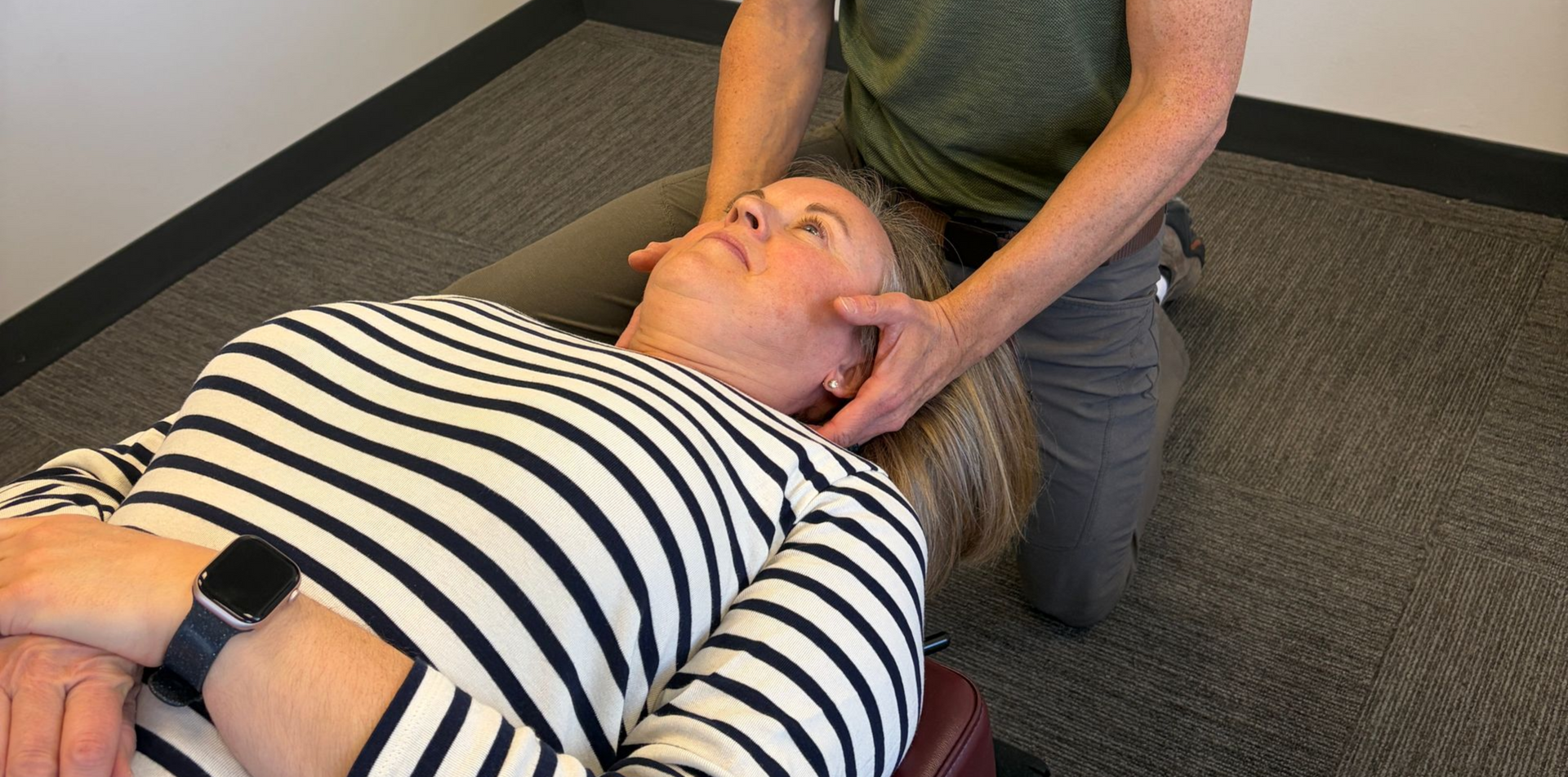
- Chiropractic Adjustment. If tension headaches are caused by poor cervical spine alignment, the best treatment is chiropractic adjustment or spinal decompression performed by a licensed chiropractor in Highlands Ranch, CO. Pinnacle Chiropractic’s Dr. Casselman is adept at correcting the alignment of the spine, and doing so can correct the problem so that you are no longer plagued with tension headaches. Chiropractic adjustment is a holistic way to sustain lasting wellness.
- Biofeedback Training. Biofeedback training is a type of learned relaxation. Instruments measure the body’s response to a headache trigger, such as muscle tension. Over time, patients can learn to identify when they are tense before it becomes a problem and modify their response to the tension, reducing the headache’s severity or duration or even preventing it from occurring at all.
- Massage. Massage can be used in conjunction with chiropractic adjustment to assuage pain in the temples and neck. Massage can help to relieve pressure caused by taut muscles.
If you struggle with frequent tension headaches, let Pinnacle Chiropractic & Spinal Rehab Center of Highlands Ranch start you on your journey to relief. Give us a call to set up an appointment.
Migraine Treatment
Migraine headaches are much more severe than other types of headaches. They are actually a very complex collection of neurological conditions that affect nearly 10% of the population. A migraine is a vascular headache that is thought to affect the brain’s blood vessels. Pain may be located on one or both sides of the head.
Migraines are typically recurrent. If you’ve had one migraine, there is a high likelihood that you’ll have another one at some point in your life. Along with pain, migraines may cause nausea and vomiting, sensitivity to light, sounds, and smells, dizziness, and pale skin. Numbness and tingling can even radiate down through the arms to the hands. Pain typically increases with physical activity.
Some people experience auras before an attack. Auras are any number of neurological signs such as: seeing wavy lines, spots, or flashing lights in your vision, tunnel vision, or blind spots. Auras can manifest in the other senses, too. Strange smells and tastes, loss of touch, pins and needles sensations, and difficulty with recall or speaking can all occur. These symptoms usually fade as the head pain begins.
Migraine Facts:
- They tend to run in families.
- Women are more likely to get them than men.
- Migraines can be debilitating to the point that they affect your ability to carry out your daily activities.
- Attacks can last from 4 to 72 hours.
- Migraine is a chronic disease that often occurs in conjunction with anxiety, depression, and sleep problems.
- Migraine sufferers are frequently undiagnosed and untreated.
- Children and adults can get migraines.
Migraine Stages:
Everyone experiences migraines differently, but there are four typical stages of a migraine attack. Not everyone experiences all four, and not every person experiences every stage each time.
- Prodrome. The prodrome stage can last a few hours to a few days. It is characterized by physiological changes like difficulty sleeping, irritability, or sensibility to light or sound. This stage is sometimes called the the “premonitory” or “preheadache” phase.
- Aura. Migraine auras can manifest as visual disturbances like seeing spots or flashing lights, or they can affect the other senses. This is generally the shortest phase and also the least common. Sometimes the aura and headache phases happen simultaneously.
- Headache. The phase defined as the true headache part of a migraine is known to last 4 to 72 hours. Pain is throbbing or pounding and is poignantly severe.
- Postdrome. A sort of migraine hangover, the postdrome is known to last one or two days.
Chiropractic Migraine Care
The first step to treating a migraine is to determine the trigger. This is not always easy or even possible. The precise causes of migraines are not well understood, and the triggers for migraines are as individual as the people who suffer from them. From dietary factors to increased stress to weather conditions, many things can set off a migraine.
If a migraine’s trigger is in the neck, Pinnacle Chiropractic can probably help. Chiropractic treatment can usually bring 70-90% relief from migraines. There are a few treatment options for migraines:
- Chiropractic Adjustment. Chiropractic adjustment can target neck-related migraine triggers. We have found that migraines are frequently triggered by a misalignment of the cervical spine. If a person is predisposed to have migraines, a subnormal or reversed curvature of the cervical spine is likely to trigger migraines. Chiropractic treatment can correct cervical spine curvature to limit the triggering of migraines. Chiropractic targets the trigger, so it is preventative instead of just masking symptoms.
- Rest and Relaxation. Rest and exercises to relax the muscles can ease tension around the head and neck. The muscles in these areas can become taut in conditions of stress or migraine-related pain. Relaxation techniques are particularly helpful for making it through a migraine attack.
- Surgery. Surgery is a last-resort for migraine sufferers and is typically used to treat migraines that likely result from serious injury. Surgery targets and deactivates headache trigger sites in the brain.
If you suffer from frequent or debilitating migraines, you may not need to. Come see our Highlands Ranch chiropractor to find relief.
Migraine Treatment in Highlands Ranch
Migraine headaches are much more severe than other types of headaches. They are actually a very complex collection of neurological conditions that affect nearly 10% of the population. A migraine is a vascular headache that is thought to affect the brain’s blood vessels. Pain may be located on one or both sides of the head.
Migraines are typically recurrent. If you’ve had one migraine, there is a high likelihood that you’ll have another one at some point in your life. Along with pain, migraines may cause nausea and vomiting, sensitivity to light, sounds, and smells, dizziness, and pale skin. Numbness and tingling can even radiate down through the arms to the hands. Pain typically increases with physical activity.
Some people experience auras before an attack. Auras are any number of neurological signs such as: seeing wavy lines, spots, or flashing lights in your vision, tunnel vision, or blind spots. Auras can manifest in the other senses, too. Strange smells and tastes, loss of touch, pins and needles sensations, and difficulty with recall or speaking can all occur. These symptoms usually fade as the head pain begins.
Migraine Facts:
- They tend to run in families.
- Women are more likely to get them than men.
- Migraines can be debilitating to the point that they affect your ability to carry out your daily activities.
- Attacks can last from 4 to 72 hours.
- Migraine is a chronic disease that often occurs in conjunction with anxiety, depression, and sleep problems.
- Migraine sufferers are frequently undiagnosed and untreated.
- Children and adults can get migraines.
Migraine Stages:
Everyone experiences migraines differently, but there are four typical stages of a migraine attack. Not everyone experiences all four, and not every person experiences every stage each time.
- Prodrome. The prodrome stage can last a few hours to a few days. It is characterized by physiological changes like difficulty sleeping, irritability, or sensibility to light or sound. This stage is sometimes called the the “premonitory” or “preheadache” phase.
- Aura. Migraine auras can manifest as visual disturbances like seeing spots or flashing lights, or they can affect the other senses. This is generally the shortest phase and also the least common. Sometimes the aura and headache phases happen simultaneously.
- Headache. The phase defined as the true headache part of a migraine is known to last 4 to 72 hours. Pain is throbbing or pounding and is poignantly severe.
- Postdrome. A sort of migraine hangover, the postdrome is known to last one or two days.
Chiropractic Migraine Care
The first step to treating a migraine is to determine the trigger. This is not always easy or even possible. The precise causes of migraines are not well understood, and the triggers for migraines are as individual as the people who suffer from them. From dietary factors to increased stress to weather conditions, many things can set off a migraine.
If a migraine’s trigger is in the neck, Pinnacle Chiropractic can probably help. Chiropractic treatment can usually bring 70-90% relief from migraines. There are a few treatment options for migraines:
- Chiropractic Adjustment. Chiropractic adjustment can target neck-related migraine triggers. We have found that migraines are frequently triggered by a misalignment of the cervical spine. If a person is predisposed to have migraines, a subnormal or reversed curvature of the cervical spine is likely to trigger migraines. Chiropractic treatment can correct cervical spine curvature to limit the triggering of migraines. Chiropractic targets the trigger, so it is preventative instead of just masking symptoms.
- Rest and Relaxation. Rest and exercises to relax the muscles can ease tension around the head and neck. The muscles in these areas can become taut in conditions of stress or migraine-related pain. Relaxation techniques are particularly helpful for making it through a migraine attack.
- Surgery. Surgery is a last-resort for migraine sufferers and is typically used to treat migraines that likely result from serious injury. Surgery targets and deactivates headache trigger sites in the brain.
If you suffer from frequent or debilitating migraines, you may not need to. Come see our Highlands Ranch chiropractor to find relief.
Headache & Migraine Treatment Options Available at our Highlands Ranch Clinic
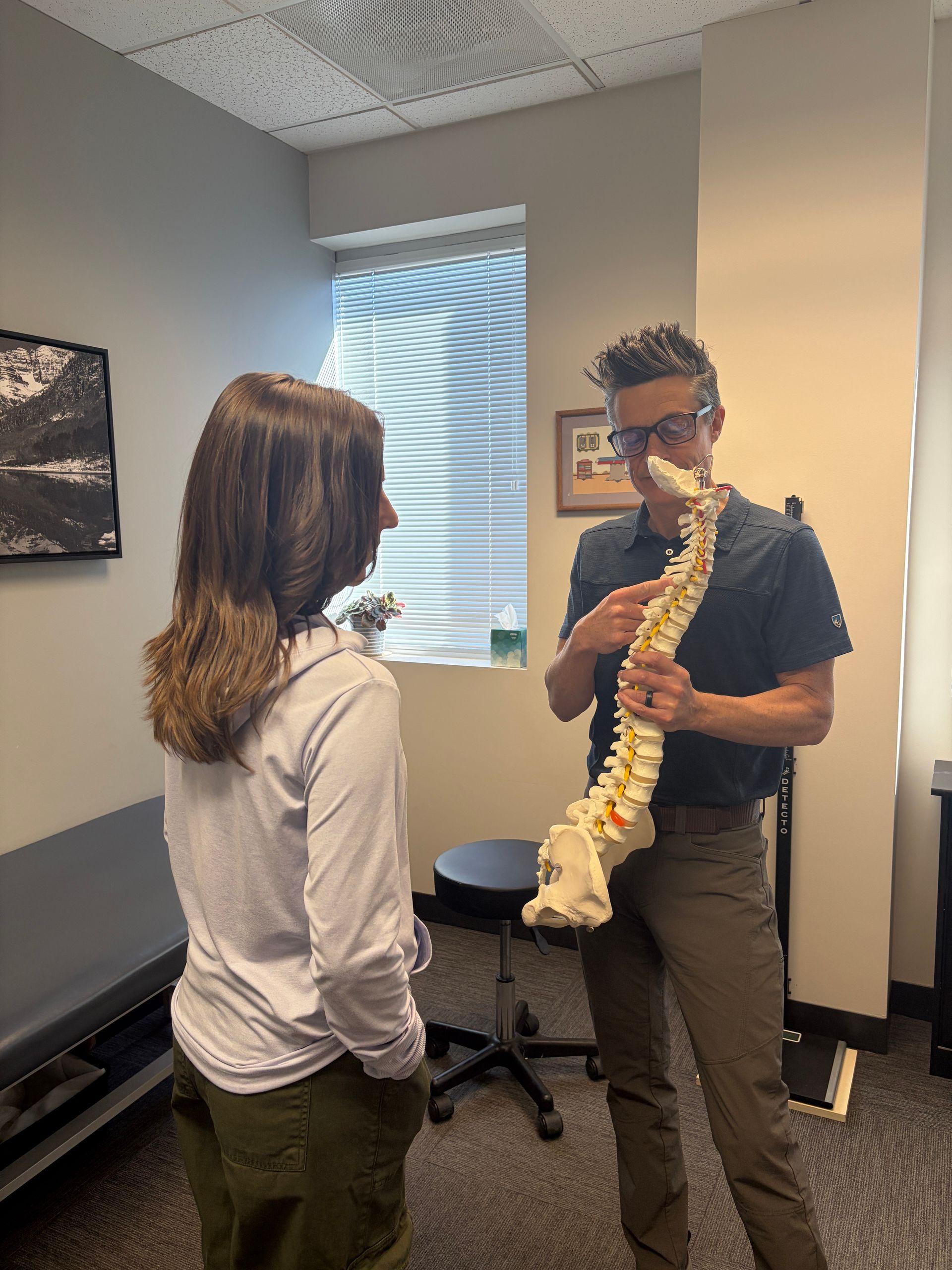
Chiropractic Care
Chiropractic care is best known for “adjustments”, a classic treatment that uses spinal manipulation to help realign skeletal structures for long-lasting relief of pain.
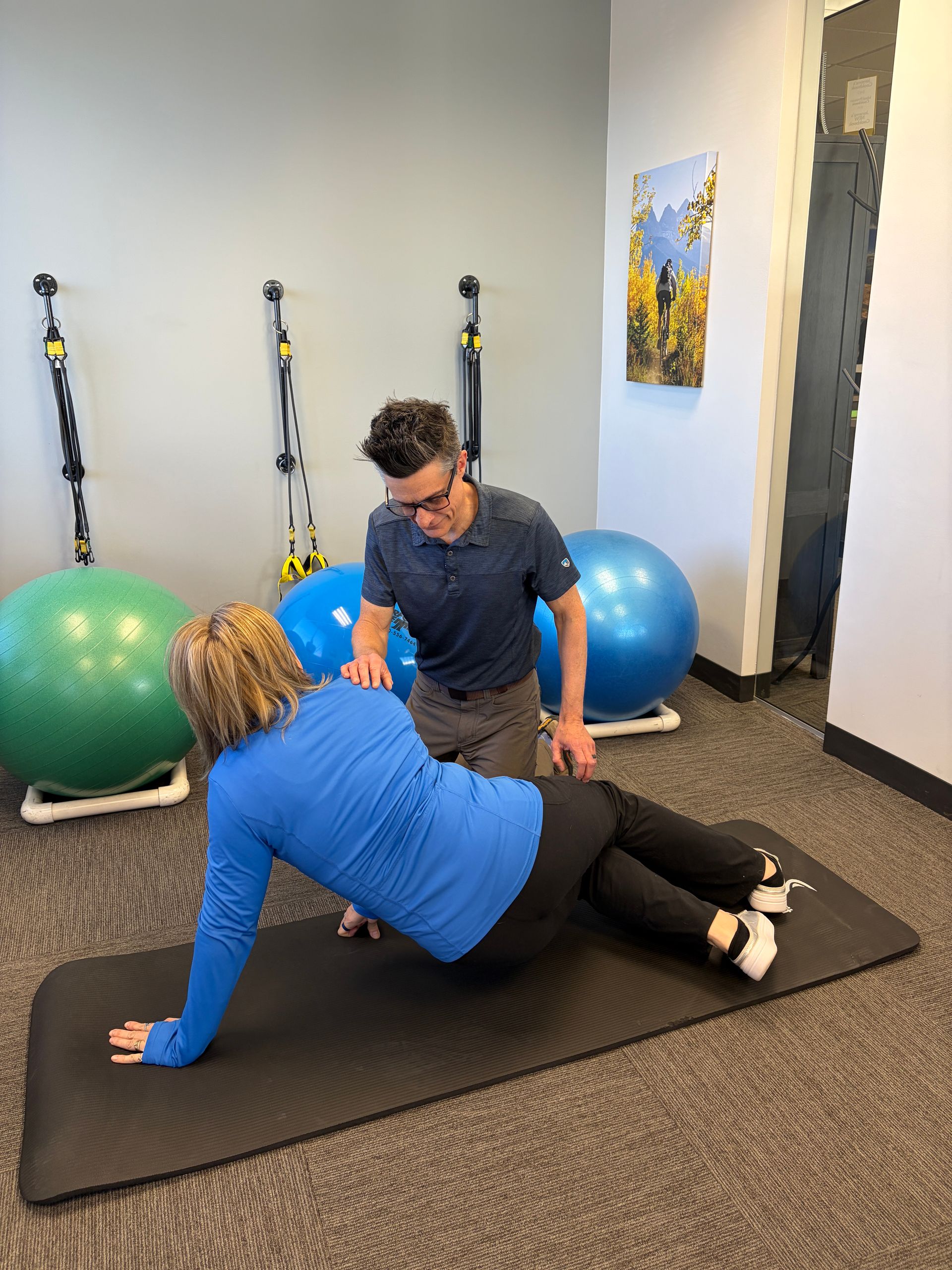
Physical Therapy
Physical therapy works to improve mobility and reduce pain with low impact exercises, stretches, and hot/cold treatment.
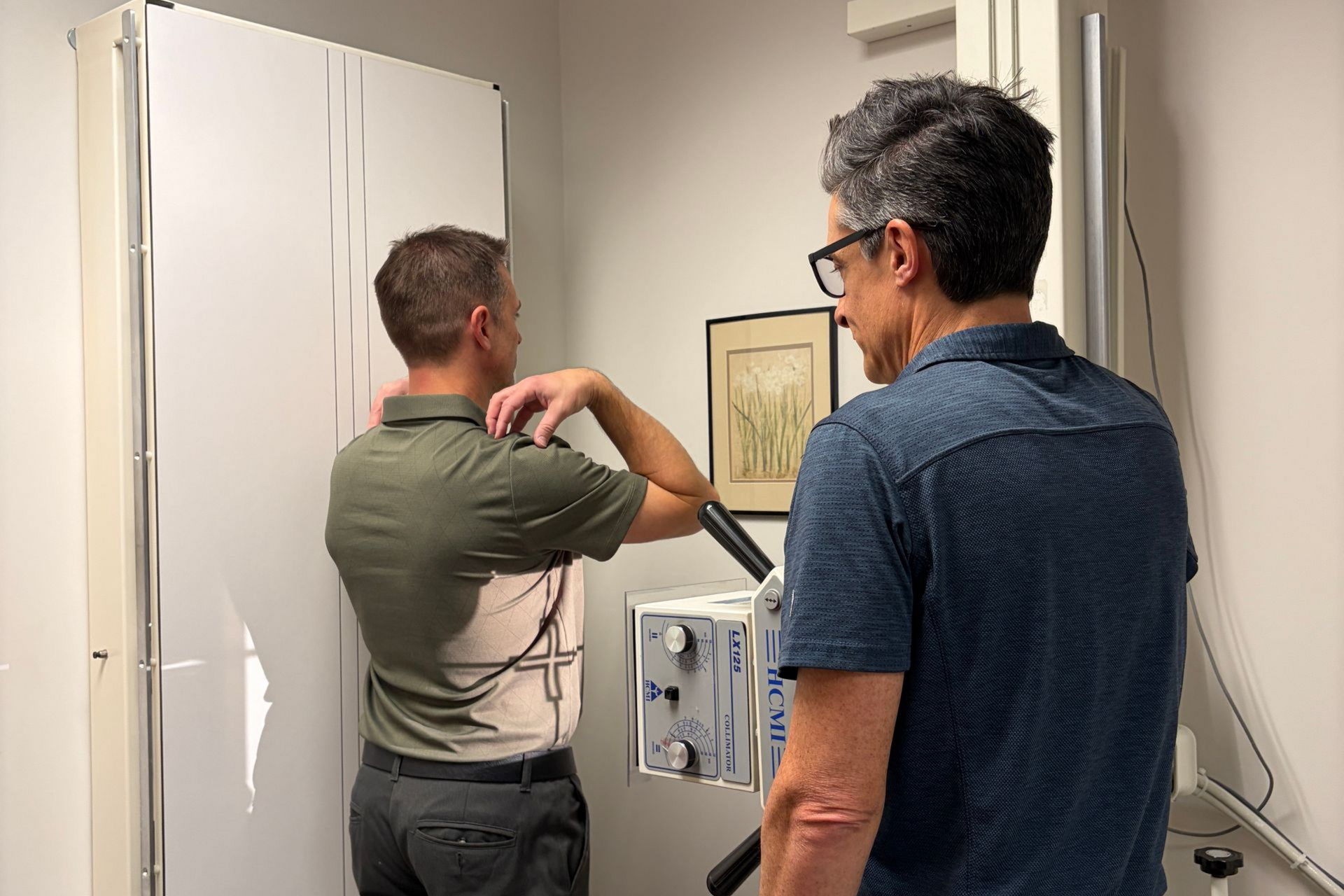
X-Rays
An x-ray may be necessary in order to properly diagnose your condition. X-rays produce important information that makes it easier and more effective to treat your condition in an optimal way.
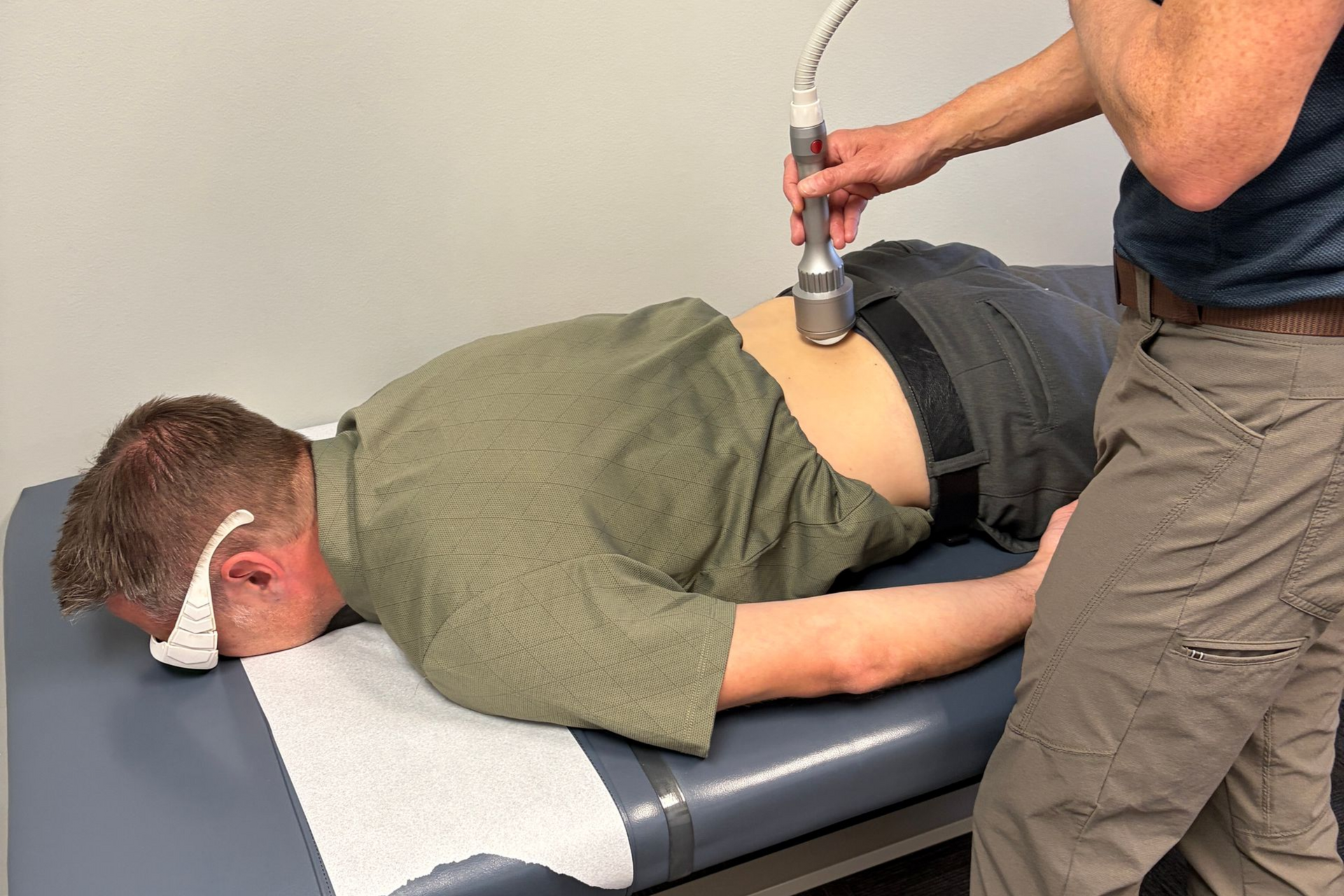
Class IV Laser Therapy
Non-surgical Class IV Laser therapy targets the joints and muscles deeply to promote healing, faster recovery, and permanent pain relief.
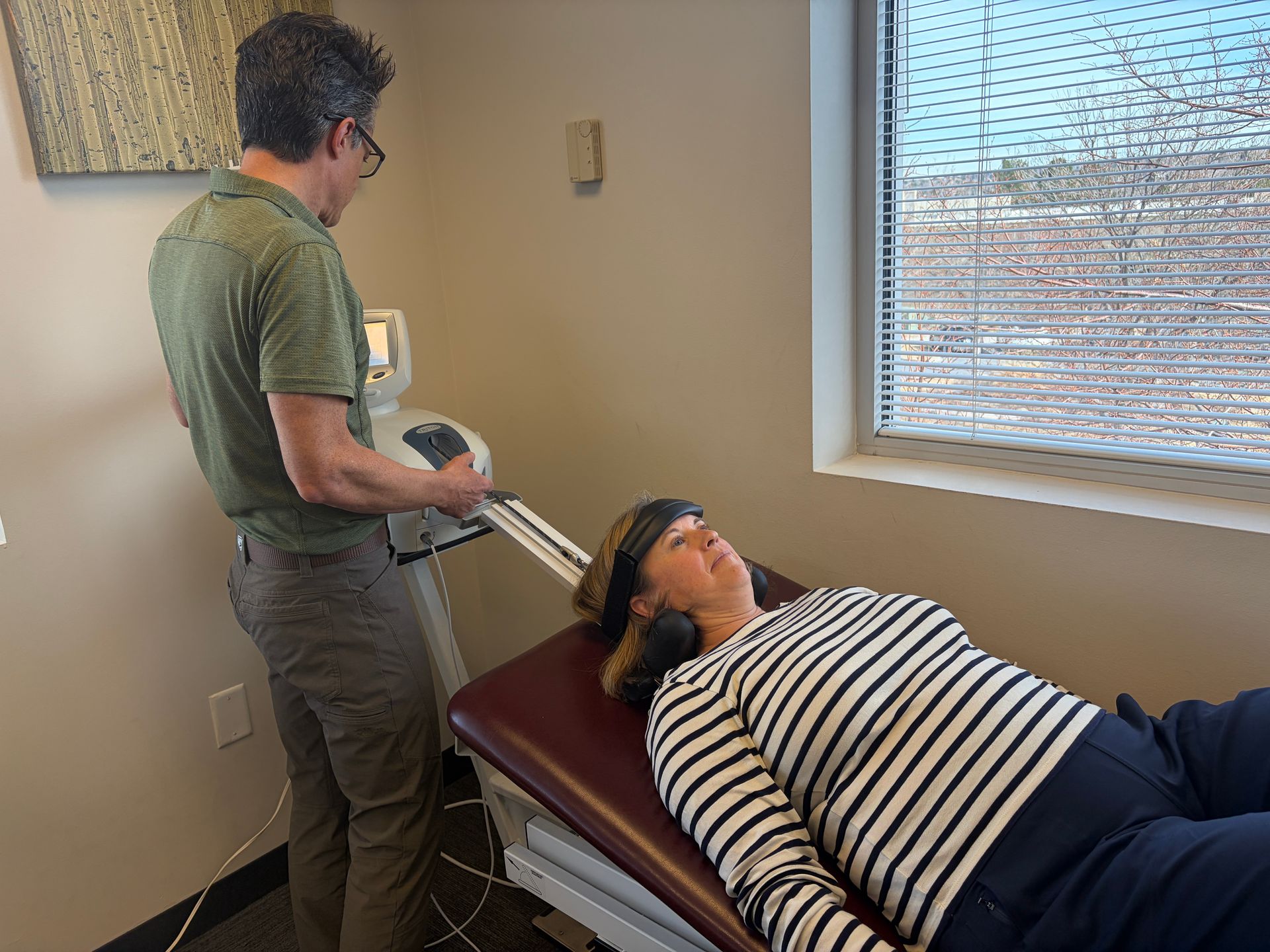
Spinal Decompression
We perform
spinal decompression with a traction table and other motor devices to slowly stretch the spine and alleviate back pain.
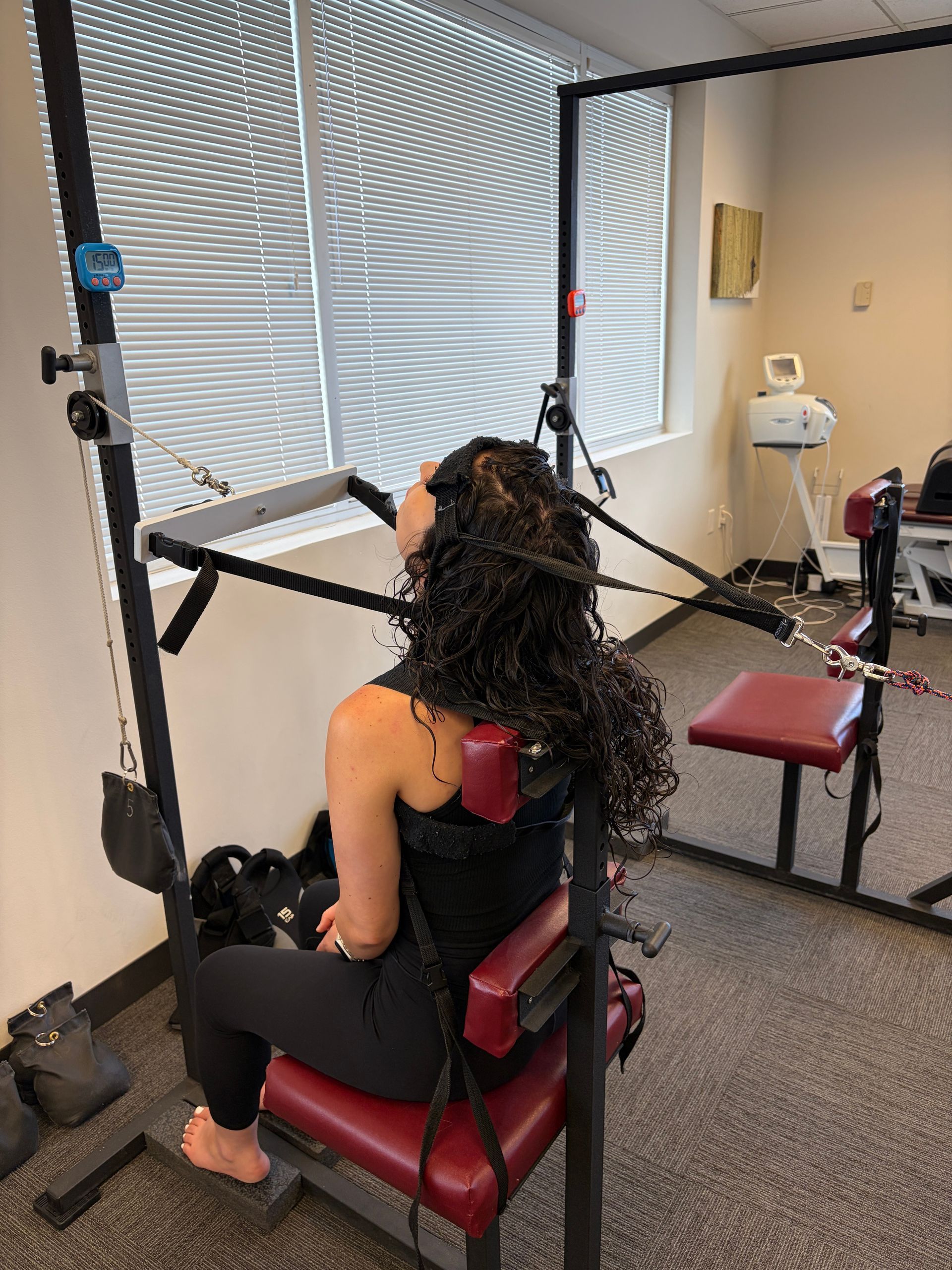
Traction Therapy
Traction therapy can help realign the spine through the use of weights and pulleys to add tension, and decompress the joints. Traction therapy is often used in conjunction with adjustments, and is an effective method of rebalancing the body and renewing mobility.
Pinnacle Chiropractic & Spinal Rehab Center of Highlands Ranch
Location
9137 S Ridgeline Blvd Suite 260 Highlands Ranch, CO 80129
drc@pinnaclechiropractic.net
Hours
- Monday
- -
- Tuesday
- -
- Wednesday
- -
- Thursday
- -
- Friday
- -
- Saturday
- Closed
- Sunday
- Closed