Spinal Canal Stenosis Chiropractor in Highlands Ranch
Chiropractor Dr. Aaron Casselman provides spinal canal stenosis treatment at Pinnacle Chiropractic and Spinal Rehab Center of Highlands Ranch.
5.0
350+ Reviews
Spinal canal stenosis, or spinal stenosis, is a condition that occurs when the spaces in the spine become narrow due to nerve roots or spinal cord pressure. It typically causes more than one area of the spine canal to narrow. Spinal stenosis often happens in the lower back and neck. It can lead to muscle weakness, numbness, pain and bowel or bladder problems. Aging is the leading cause of spinal stenosis and it typically occurs in adults over the age of 50. However, it can happen to younger people who:
- Experienced a spinal injury
- Were born with a narrow spinal canal
- Have herniated discs
- Have bone overgrowth
- Have tumors
- Have stiffened ligaments
Symptoms of Spinal Canal Stenosis
X-rays often tell a patient that they have spinal stenosis, since symptoms are quite rare. If symptoms are present, then they start off slowly and get worse as time passes. The symptoms largely depend on the site of the stenosis.
If spinal stenosis is present in the lower back, common symptoms include leg cramps or pain. The pain is at its worse when the patient walks or stands for an extended period of time and lessens once they sit down or stretch. When spinal stenosis is in the neck, this can create weakness, tingling or numbness in a hand, arm, foot or leg. People with severe stenosis may experience incontinence as well.
How Is Spinal Canal Stenosis Diagnosed?
It is common for doctors to require a number of tests to properly diagnose stenosis and eliminate other diseases. The most common approaches to diagnose stenosis include:
Medical history
The doctor will ask the patient to provide detailed information about the symptoms along with conditions, health problems or injuries that could contribute to the symptoms.
Physical exam
The doctor performs a physical examination to find out several important details, such as the patient’s range of movement, reaction to hyperextending of the spine and neurological function.
MRI
An MRI scan can provide doctors will a more comprehensive understanding of what is going on in a patient’s body. It is an excellent tool for finding disease or damage, particularly in the spine because it shows the spinal canal, vertebrae, ligaments and nerve roots.
X-ray
X-rays are often performed before a doctor tries other tests in order to determine whether there are signs of tumors, injuries or a genetic condition. X-rays allow the doctor to view the vertebrae structure and joint outlines. It can also identify calcification.
Other tools for diagnosis include bone scan, CAT scan and myelogram.
Treatments For Spinal Canal Stenosis
The various types of treatment available for stenosis depend on the site, severity and symptoms of the condition.
Medication
In order to alleviate the pain that comes with spinal stenosis, doctors often prescribe muscle relaxants, nonsteroidal anti-inflammatory drugs, anti-seizure drugs, antidepressants and opiods. Steroid injections are initially given to help relieve pressure and lessen inflammation, though it cannot be used for an extended period of time without adverse side effects.
Surgery
Surgery may be required if other treatments haven’t worked, symptoms are interfering with daily life or if the patient is in good health (aside from the condition).
Alternative treatments
Chiropractic care and acupuncture have been found to help with stenosis. A Highlands Ranch chiropractor can adjust the spine to its natural spinal position and use traction to create space between the vertebrae, which reduces pressure. Acupuncture can alleviate symptoms such as lower back pain.
Spinal Canal Stenosis Treatment Options Available at our Highlands Ranch Clinic
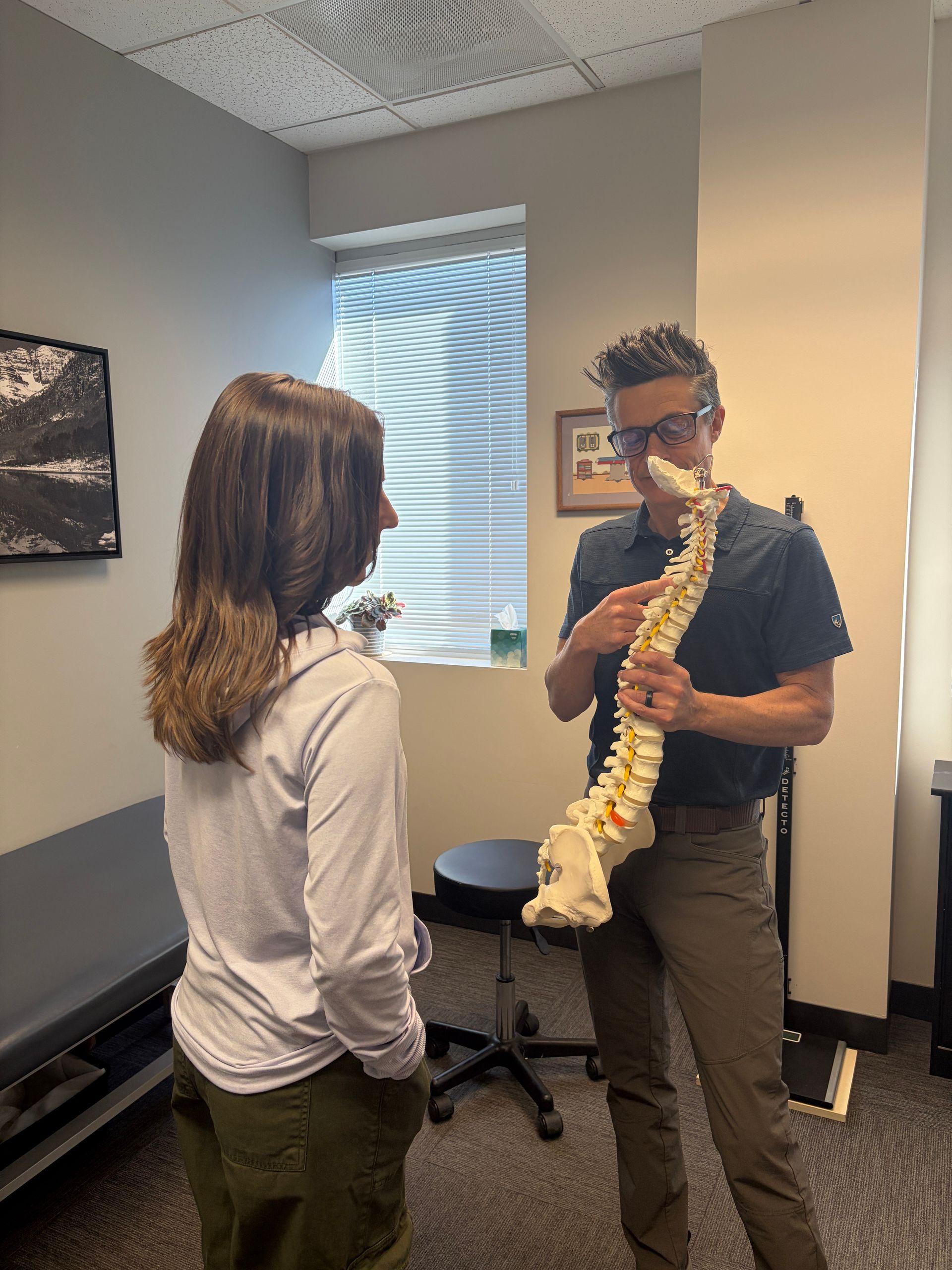
Chiropractic Care
Chiropractic care is best known for “adjustments”, a classic treatment that uses spinal manipulation to help realign skeletal structures for long-lasting relief of pain.
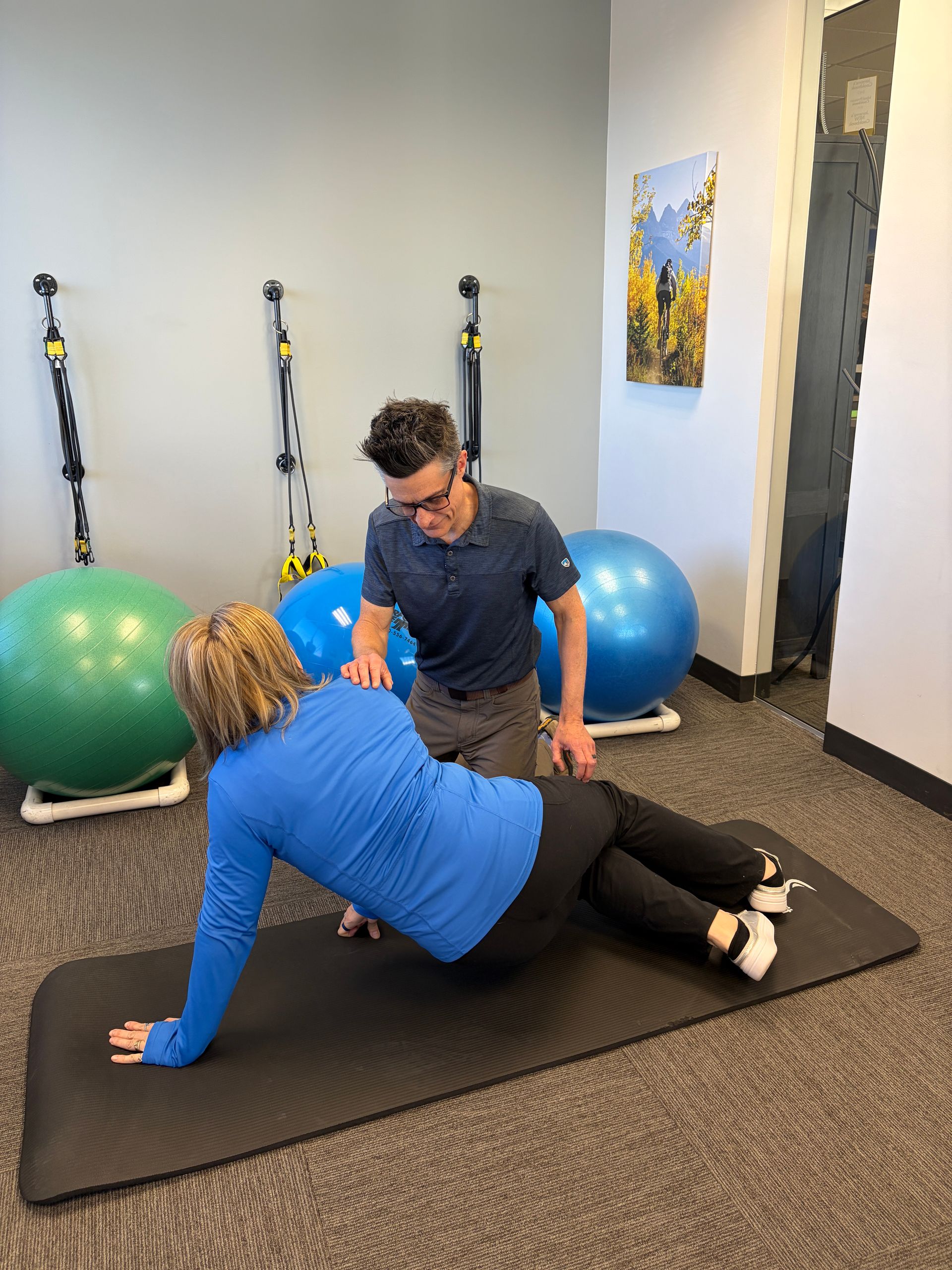
Physical Therapy
Physical therapy works to improve mobility and reduce pain with low impact exercises, stretches, and hot/cold treatment.
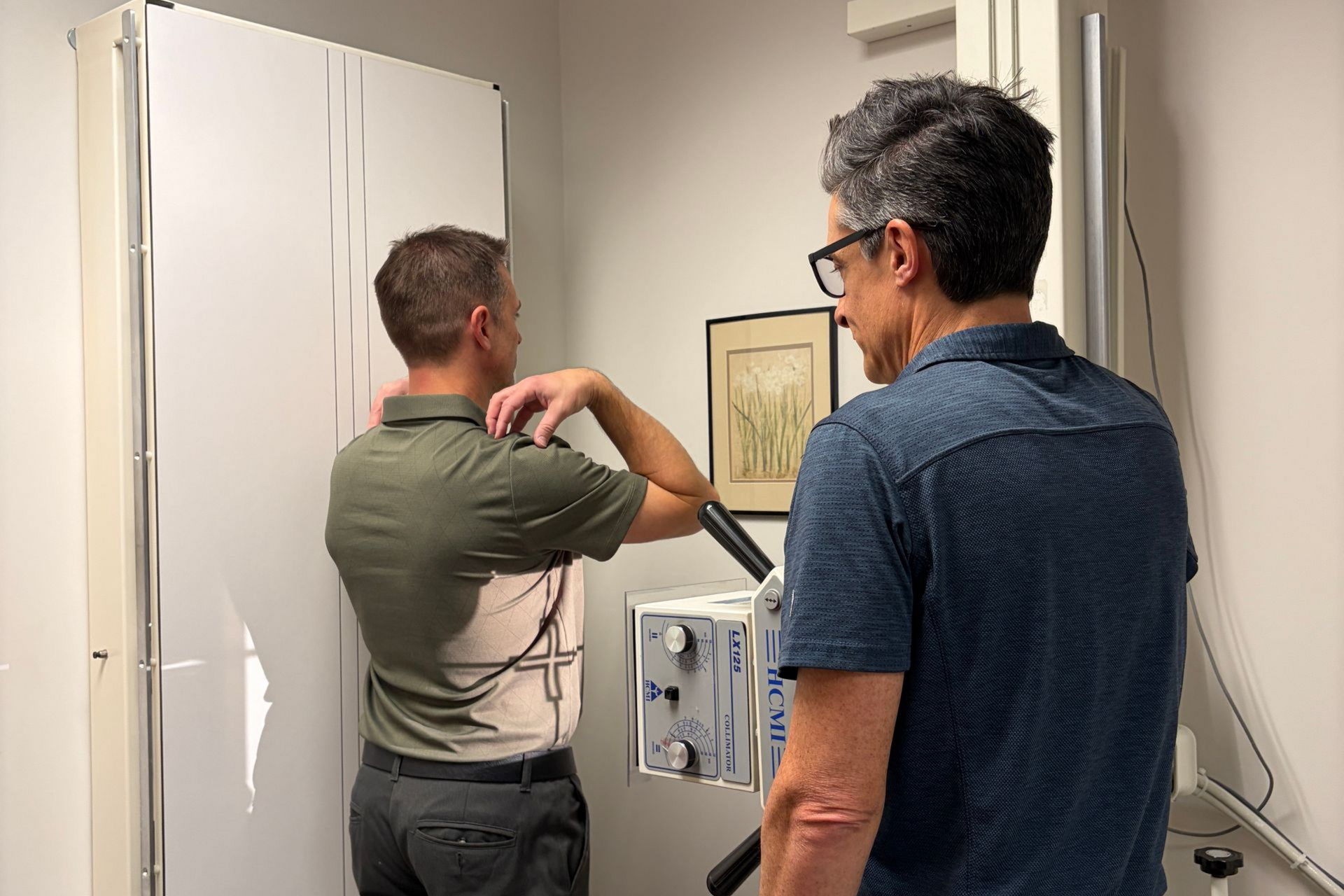
X-Rays
An x-ray may be necessary in order to properly diagnose your condition. X-rays produce important information that makes it easier and more effective to treat your condition in an optimal way.
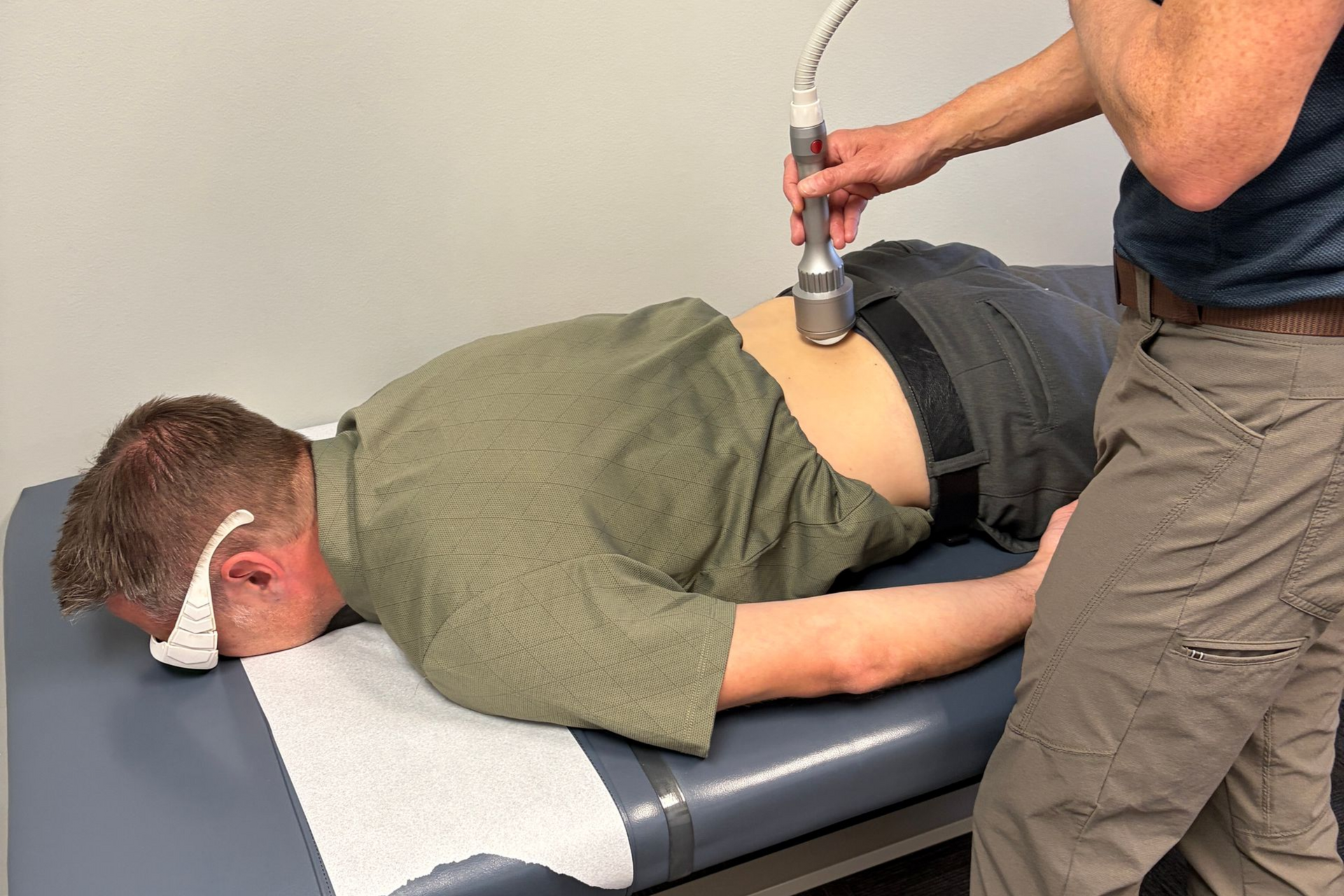
Class IV Laser Therapy
Non-surgical Class IV Laser therapy targets the joints and muscles deeply to promote healing, faster recovery, and permanent pain relief.
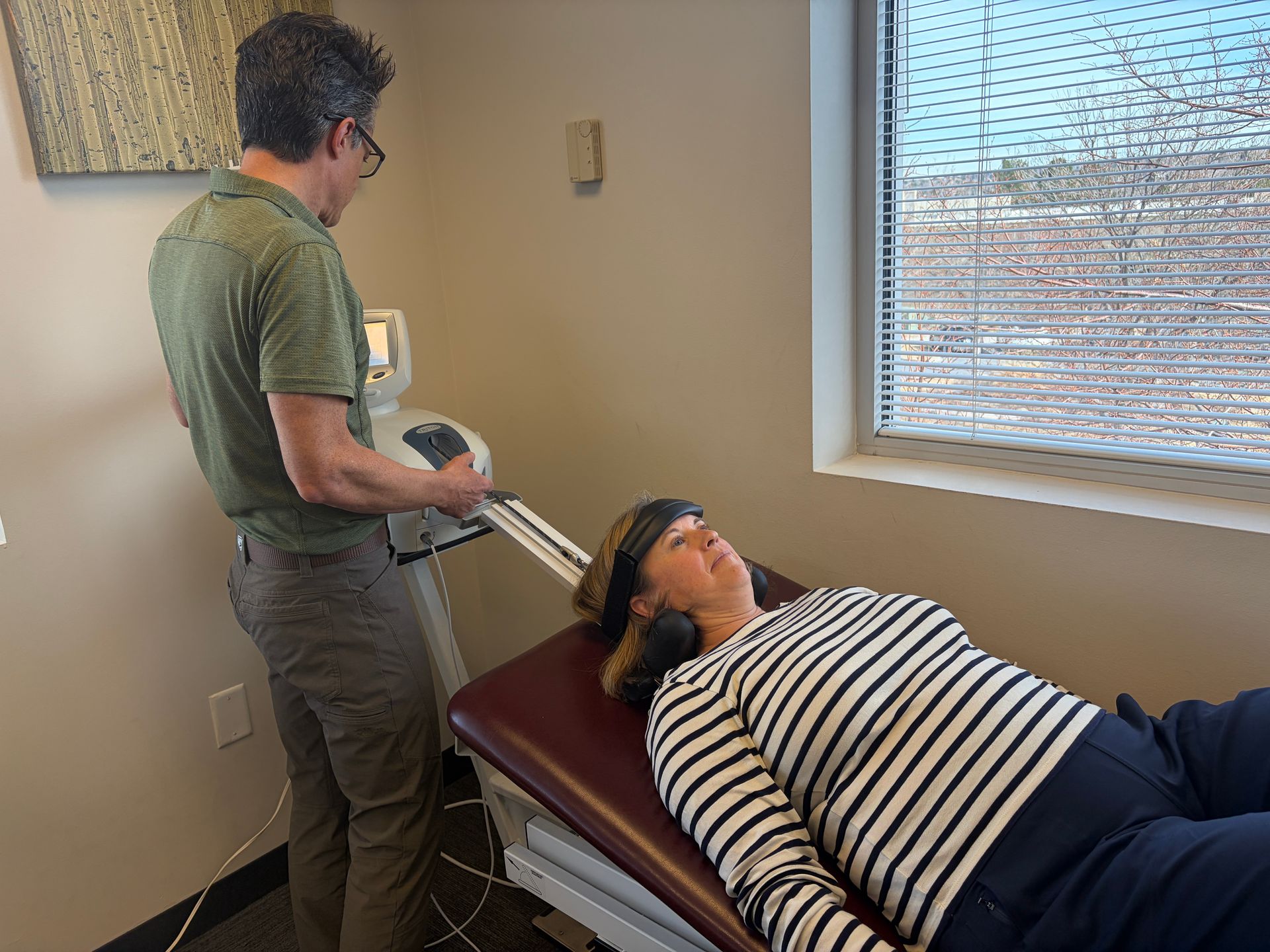
Spinal Decompression
We perform
spinal decompression with a traction table and other motor devices to slowly stretch the spine and alleviate back pain.
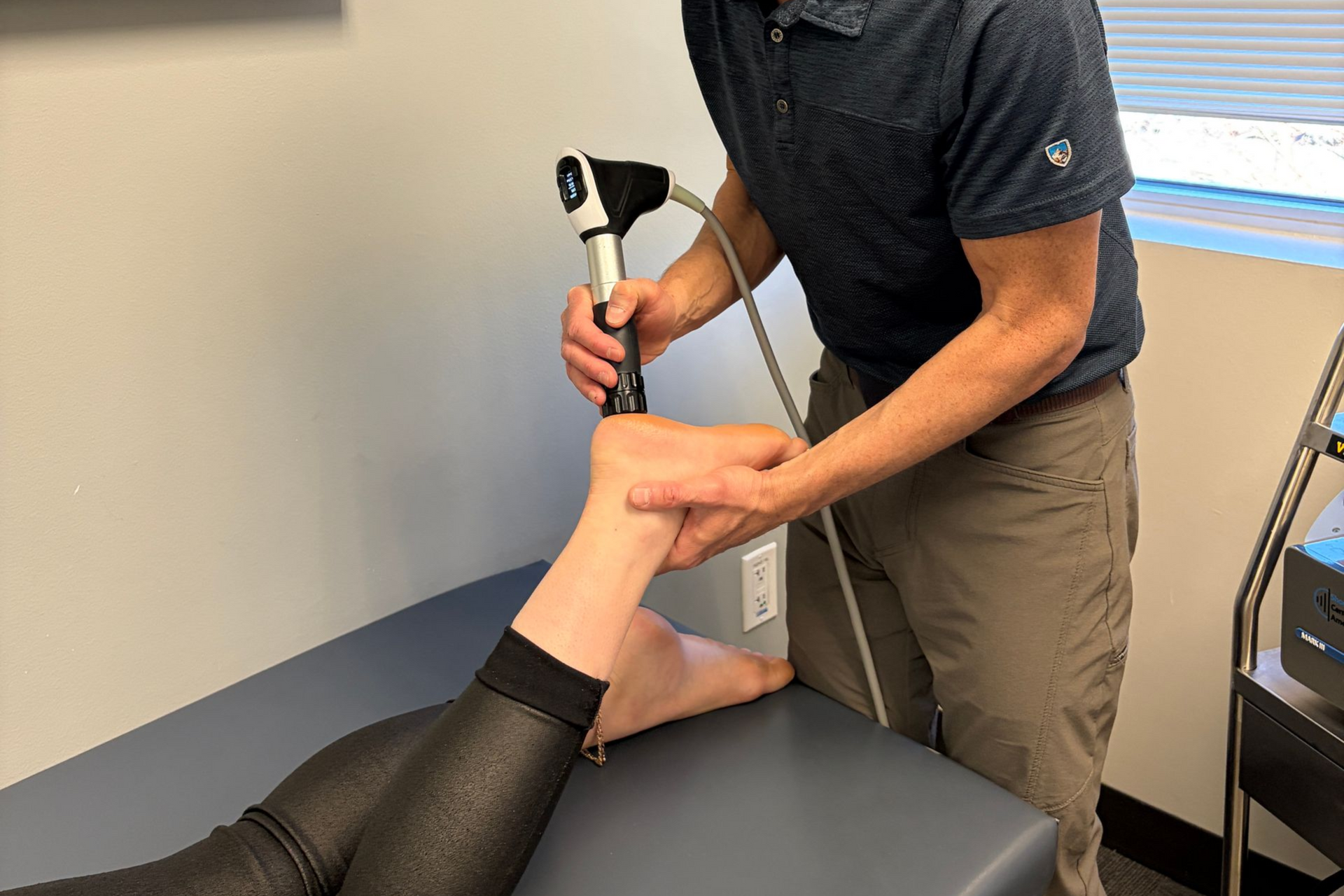
Shockwave Therapy
Shockwave therapy is an acoustic energy wave that is directed into injured tissue. It stimulates a healing response and decreases chronic pain.
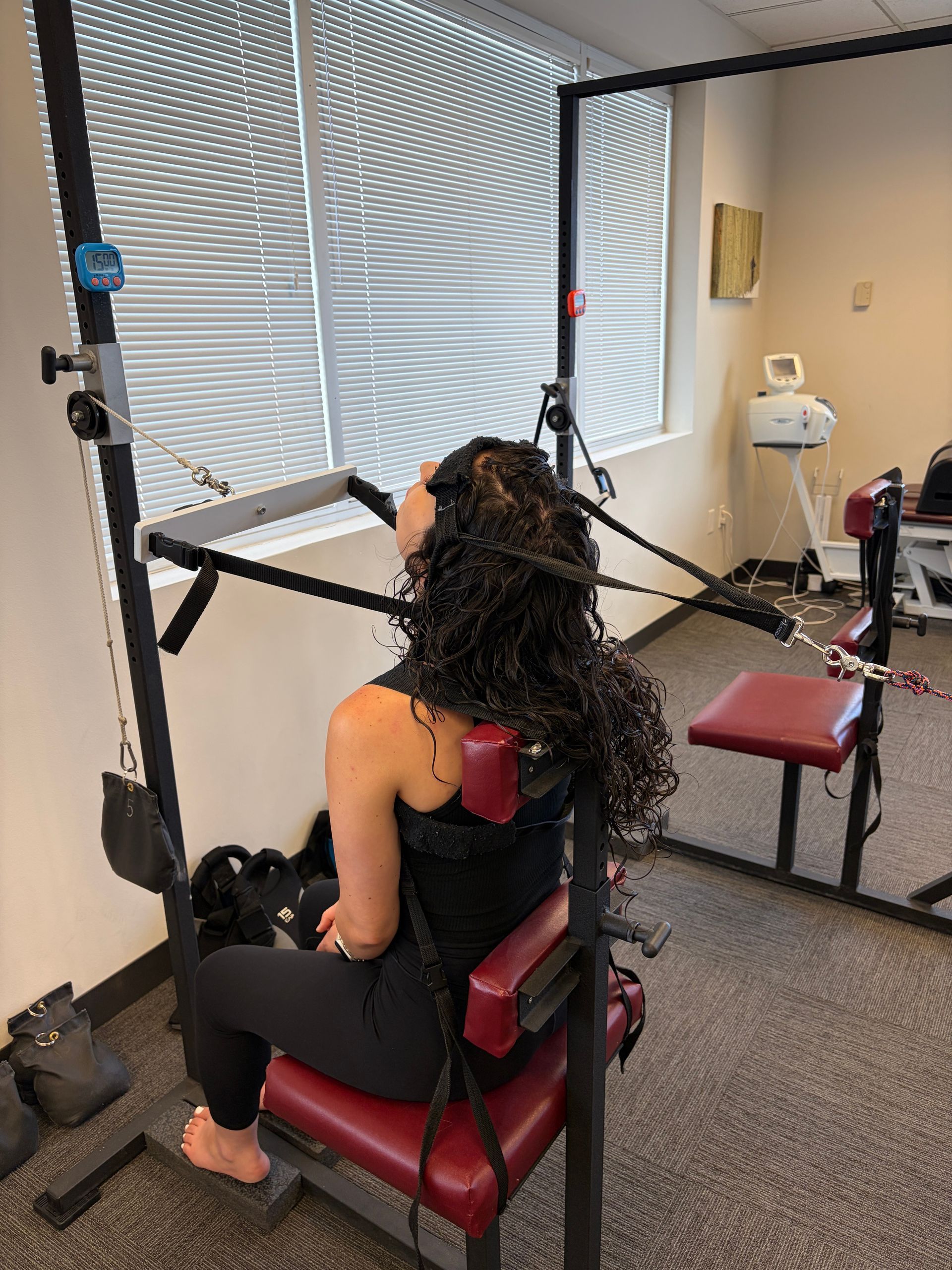
Traction Therapy
Traction therapy can help realign the spine through the use of weights and pulleys to add tension, and decompress the joints. Traction therapy is often used in conjunction with adjustments, and is an effective method of rebalancing the body and renewing mobility.